Water Heaters, Sized and Installed Right
No hot water is not a wait-till-Monday problem. We repair what is worth repairing and replace what is not, most standard tanks the same day, and we help you choose between tank and tankless with the honest tradeoffs.
Tank vs. Tankless
Both are good choices for the right house. The wrong choice is the one someone talked you into without explaining the catch. Here is the plain version.
The Dependable Standard
A tank keeps 40 to 75 gallons hot and ready. Lower up-front cost, simple to service, and the swap is usually a same-day job. The tradeoff is a shorter lifespan and a limited reserve: run it dry and you wait for it to reheat.
- Lower install cost
- Typical lifespan 8 to 12 years
- Most replacements done same day
- Reheats after heavy use
Endless, and Built to Last
A tankless unit heats water only as you use it, so you never run out mid-shower and you are not paying to keep a tank hot all day. It lasts 20 years or more. The catch is a higher install cost, and it may need a larger gas line and different venting.
- Endless hot water on demand
- Lasts 20+ years with maintenance
- Frees up floor space
- Higher install cost, may need gas line upsizing
Ask us about current utility rebates when you plan a replacement. Availability changes, and we will tell you what is actually on the table for your setup.
Signs Your Water Heater Is Failing
A water heater rarely dies without warning. Catch these early and you replace it on a Tuesday afternoon instead of mopping the utility room at midnight.
Rusty or cloudy hot water
Brown or metallic hot water usually means the tank is corroding from the inside. Once rust starts, the clock is running. This is often the last warning before a leak.
Rumbling or popping sounds
That is sediment baked onto the bottom of the tank, common with our hard water. It makes the heater work harder, burn more energy, and wear out faster.
Water pooling near the base
A wet spot under the tank is rarely a fitting you can just tighten. A tank that has started to weep is on its way out, and a full failure floods the space it sits in.
Running out of hot water fast
If showers went cold sooner than they used to, sediment or a failing element or dip tube is stealing your capacity. Sometimes a repair, sometimes the sign to plan a replacement.
The unit is past 10 or 12 years
A standard tank has a typical lifespan of 8 to 12 years. Past that, a major repair is usually money spent on borrowed time. We will tell you honestly where yours stands.
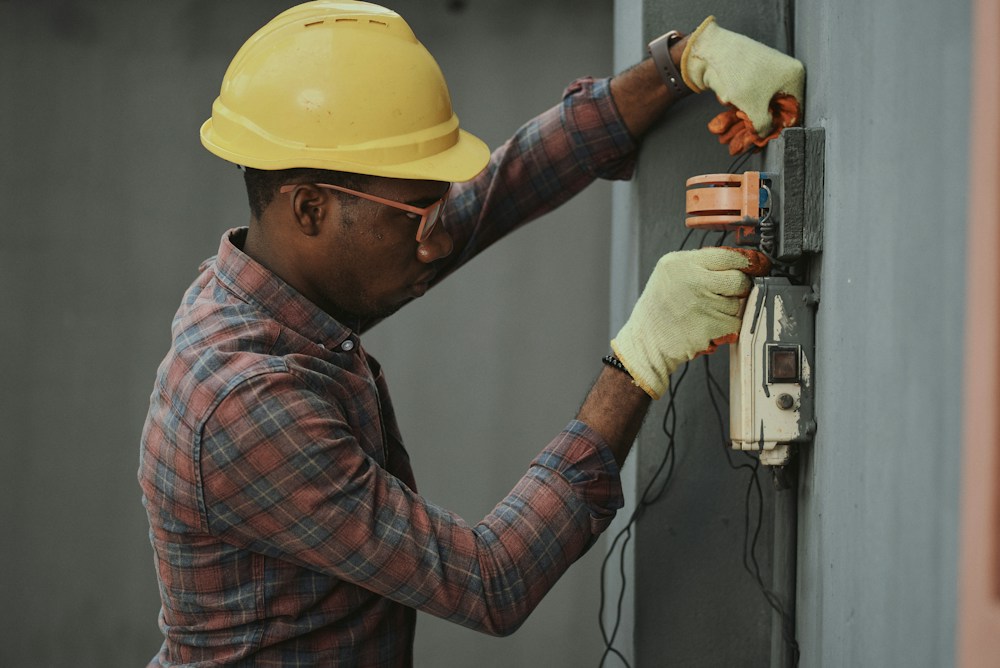
Same-Day Replacement on Most Tanks
If your tank has failed, you should not have to shower cold for a week. For most standard gas and electric tanks we carry common sizes and can pull, set, and connect a new unit the same day. We flush the line, check your water pressure and the pressure-relief valve, and take the old tank with us.
You get a flat-rate quote before we start, permit and inspection included where required. No hourly meter, no growing total.
After-Hours Emergency
Water heater leaking onto the floor?
Shut off the water supply to the heater, and cut the gas or breaker to it if you can do so safely. Then call. A leaking tank does not get better on its own.
Water Heater Questions
It depends on your house, not on which one has the bigger margin. A tank costs less up front, installs fast, and suits most families fine. Tankless makes sense if you want endless hot water, you are tight on space, or you keep running out with a growing household. We will lay out the real numbers for your home and let you decide.
A conventional tank runs 8 to 12 years in our area, less if it never got flushed and the hard water baked sediment into the bottom. A tankless unit, maintained and descaled, commonly goes 20 years or more. That longer life is a real part of the tankless math.
Sometimes. A gas tankless heats water on demand, which takes a lot of gas at once, so the existing gas line may need upsizing to feed it. Venting is different too. We check both before we quote so the price you approve is the real price, not a starting point.
Most standard gas or electric tank swaps, yes, if we have the size on the truck or can grab it locally. We drain the old one, set and connect the new one, check the pressure, and haul the old tank away. Tankless and complicated conversions get scheduled so we can do them right.
In most of the county, yes, a water heater replacement is a permit-and-inspection job. That is a good thing. It means an inspector confirms the gas, venting, and safety valve are correct. We pull the permit and handle the inspection as part of the job.
Need Hot Water Back?
Call and tell us the age and type of your heater and what it is doing. We will tell you honestly whether it is a repair or a replacement, and get you scheduled.
NC Plumbing License #P-I.31842 · Licensed & Insured · Since 1987